Shaved Ice's Long Journey: From Island Kitchens to Mainland America's Hottest Dessert Trend
There's a moment — usually sometime in late July, when Sacramento's sidewalks are hot enough to fry an egg and the air conditioning just isn't cutting it anymore — when a cup of shaved ice stops being a snack and starts feeling like a necessity. But the treat you're holding has a story that stretches back well over a century, winding through Japanese fishing villages, Hawaiian plantation towns, and eventually the sun-soaked streets of the American mainland.
That story is worth knowing. Because understanding where shaved ice came from makes every bite a little more meaningful — and a lot more delicious.
Ice, Imported: The Japanese Roots of a Hawaiian Icon
Most people assume shaved ice is purely Hawaiian in origin. The truth is a bit more layered. The technique of shaving ice into fine, snow-like flakes and topping it with sweet syrups traces back to kakigori, a Japanese tradition that dates to the Heian period around the 10th century. Back then, shaved ice was a luxury reserved for Japanese aristocracy — blocks of ice were harvested from mountain snowpacks and hand-shaved into delicate mounds, then drizzled with sweet syrup or honey.
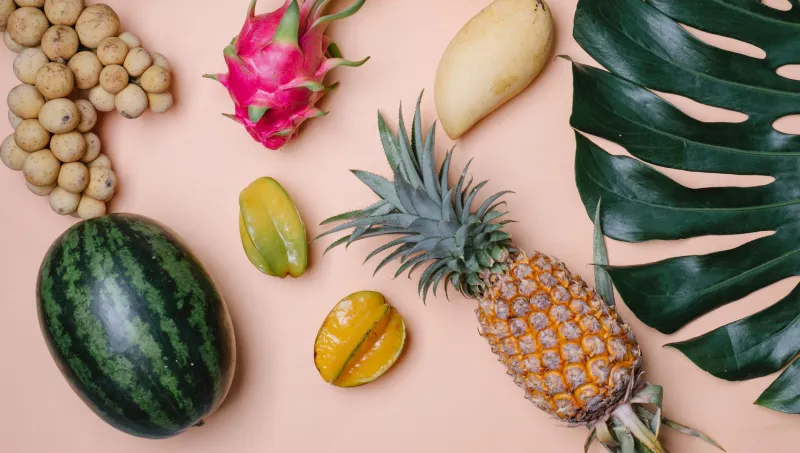
Fast forward to the late 19th and early 20th centuries. Japanese laborers were arriving in Hawaii in significant numbers to work the sugar cane and pineapple plantations. They brought their food traditions with them, and kakigori was one of them. But Hawaii had its own pantry to offer: guava, passion fruit, coconut, and the kind of ripe, sun-warmed pineapple that tastes nothing like the canned version you grew up with.
The fusion was natural, and the result was something entirely new — Hawaiian shaved ice, a treat that kept the feathery, snow-like texture of its Japanese ancestor but dressed it in the bold, tropical flavors of the islands. Roadside stands started popping up across Oahu, Maui, and the Big Island, and locals developed fierce loyalties to their neighborhood shops.
What Makes Hawaiian Shaved Ice Different from a Snow Cone
This is a question that comes up constantly, and it deserves a direct answer: the texture is everything.
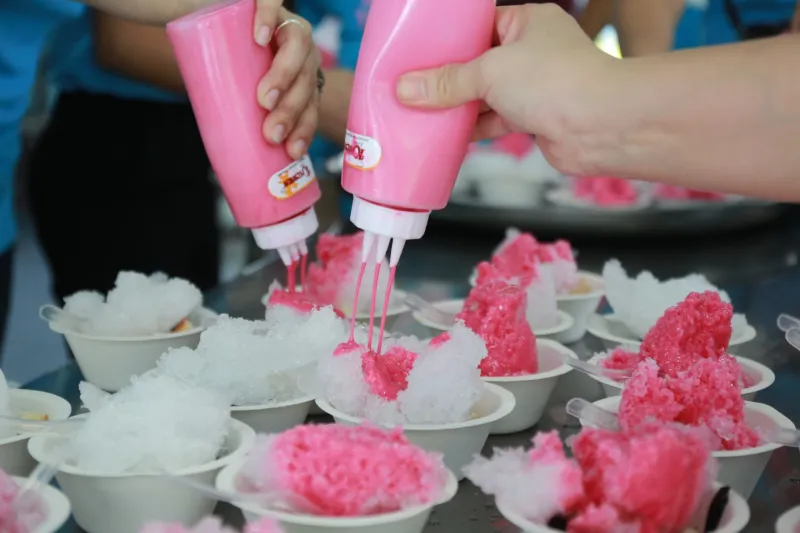
A snow cone is made from crushed or coarsely shaved ice — it's chunky, it melts fast, and the syrup mostly pools at the bottom. Hawaiian shaved ice is an entirely different experience. The ice is shaved to a consistency closer to packed snow or very fine powder. When syrup is poured over it, the ice absorbs it rather than letting it run off, meaning every bite carries flavor all the way through — not just on the surface.
The machinery matters too. Traditional Hawaiian shaved ice machines use a spinning blade adjusted to incredibly fine tolerances. The angle of the blade, the hardness of the ice, and even the temperature of the block all affect the final texture. Shops that take this seriously — like we do at Aloha Ice Shaves Sacramento — obsess over these details because they're what separate a genuinely great cup from something that's just cold and sweet.
The Mainland Migration
Hawaiian shaved ice made its way to the continental United States gradually, mostly through Hawaiian transplants, military families returning from bases in the islands, and the occasional traveler who couldn't shake the memory of a cup they'd had on a trip to Honolulu.
For a long time, it remained a niche treat — something you could find in Hawaiian-owned shops in Los Angeles or certain neighborhoods in San Francisco, but not exactly mainstream. That started to shift in the early 2000s, and then accelerated dramatically through the 2010s as food culture in the US became increasingly visual, adventurous, and experience-driven.
Social media played a massive role. A perfectly constructed cup of shaved ice — layers of vivid tropical color, maybe a drizzle of condensed milk, a scoop of ice cream tucked underneath — is one of the most naturally photogenic foods in existence. When Instagram became a primary way that Americans discovered new restaurants and food trends, shaved ice was perfectly positioned to explode. And it did.
Shops started opening across the South, the Southwest, and eventually the Pacific Northwest and Mountain West. Each region put its own spin on the base concept — adding local fruit flavors, regional spices, or creative toppings — while maintaining the fundamental Hawaiian technique and spirit.
Why Sacramento Was Always a Perfect Fit
If you were designing a city from scratch to embrace Hawaiian shaved ice culture, you might accidentally design Sacramento.
The climate is the obvious starting point. Sacramento regularly logs more 100-degree days per summer than almost any other major American city. From June through September, the demand for cold, refreshing treats isn't just strong — it's urgent. People aren't browsing for dessert here; they're seeking relief. And shaved ice, with its light texture and intense flavor, delivers that relief in a way that heavier frozen desserts simply can't.
But beyond the heat, Sacramento's food culture has matured significantly over the past decade. The city has developed a genuine identity as a farm-to-fork destination, with residents who care deeply about ingredient quality and are eager to explore global food traditions. That's an audience that appreciates the craftsmanship behind a well-made cup of shaved ice — the sourcing of flavors, the precision of the shave, the thoughtfulness of the toppings.
There's also Sacramento's demographic reality: a young, diverse, experience-seeking population that's grown up with food culture as entertainment. For that audience, a Hawaiian shaved ice shop isn't just a place to cool down. It's an experience, a destination, and yes — something worth photographing.
The Artisanal Era
Today's premium shaved ice shops are a long way from the simple syrup-and-ice setups of early Hawaiian roadside stands — and that's not a criticism of those stands, which were and remain wonderful. It's simply a reflection of how the craft has evolved.
Modern artisanal shaved ice shops source natural fruit syrups, work with locally made mochi, offer house-made flavors that rotate with the seasons, and treat the cup as a complete sensory experience rather than just a cold snack. Bases matter — coconut cream, azuki beans, and vanilla ice cream hidden beneath the ice add depth and contrast. Toppings are chosen deliberately. Flavor combinations are tested and refined.
At Aloha Ice Shaves Sacramento, that philosophy is baked into everything we do. We're not just serving frozen sugar water. We're honoring a tradition that traveled an ocean to get here, and we think that tradition deserves to be taken seriously.
The next time you're holding a cup on a sweltering Sacramento afternoon, take a second to think about the journey that got it there. Then take a bite before it melts.